
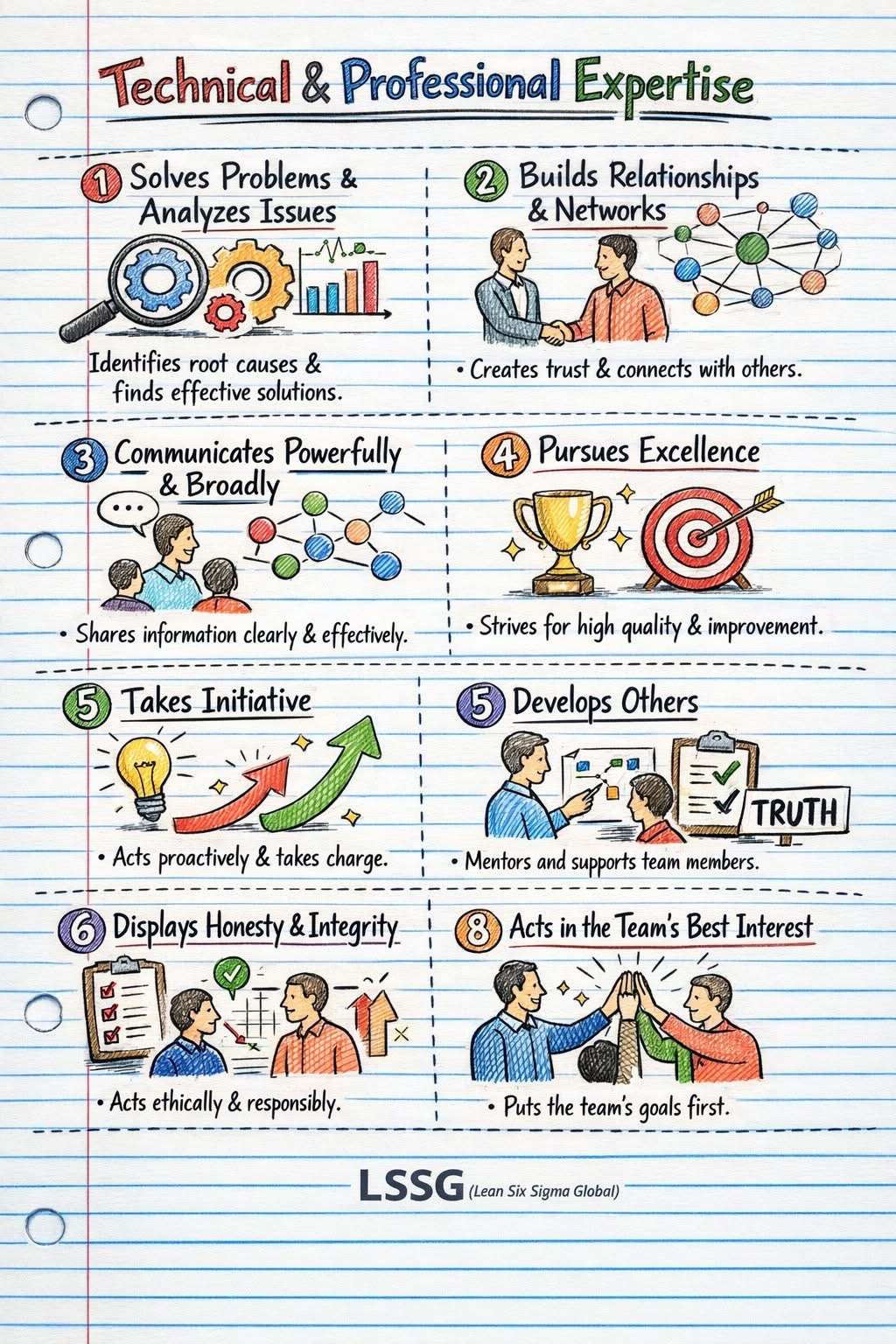
Technical Expertise Earns Academic Recognition / by Abdol Samad Nawi.
Professional Character Sustains Academic Legacy.
In academia, publications, grants, and technical mastery open doors.
But collaboration, integrity, leadership, and mentorship determine whether we build lasting impact.
Below are 20 Essential Soft Skills contextualized for FMSS lecturers and PhD scholars.
1. Scholarly Communication
Not just presenting research — but communicating ideas clearly to:
- Students
- Industry partners
- International collaborators
- Policymakers
A brilliant idea poorly communicated has limited impact.
2. Academic Integrity
Integrity is the backbone of scholarship:
- Ethical research practices
- Honest data reporting
- Proper citation
- Fair assessment of students
Reputation in academia compounds over decades — and can collapse overnight.
3. Critical & Independent Thinking
PhD scholars must move beyond consuming literature to:
- Challenging assumptions
- Identifying research gaps
- Developing original contributions
A doctorate is not about knowing more — it is about thinking deeper.
4. Research Problem-Solving
Strong scholars:
- Identify root causes of societal or industrial problems
- Connect theory to practice
- Design methodologically sound solutions
Research should create impact, not just publications.
5. Emotional Intelligence in Supervision
For lecturers and supervisors:
- Understand students’ motivations
- Manage conflicts professionally
- Provide constructive feedback
Great supervisors build scholars — not just theses.
6. Collaborative Research Mindset
Modern research is interdisciplinary.
FMSS lecturers should:
- Build cross-faculty partnerships
- Collaborate internationally
- Engage industry stakeholders
Isolation limits impact.
7. Leadership Without Title
A PhD scholar can lead through:
- Intellectual courage
- Initiative in projects
- Academic contribution
Leadership is influence — not position.
8. Mentorship & Developing Others
Senior academics multiply impact by:
- Coaching junior lecturers
- Guiding PhD candidates
- Creating research culture
Legacy in academia is measured by people developed.
9. Resilience in Research
Rejections are normal:
- Journal rejections
- Grant rejections
- Proposal revisions
Resilient scholars treat rejection as refinement.
10. Time & Priority Management
Balancing:
- Teaching
- Research
- Administration
- Supervision
- Personal life
Without structure, burnout becomes inevitable.
11. Growth Mindset in Scholarship
Academics must continuously evolve:
- Learn new methodologies
- Adapt to AI & emerging tools
- Update curriculum
Expertise that stops growing becomes obsolete.
12. Professional Networking
Conferences are not tourism — they are strategic opportunities.
Strong networks lead to:
- Joint publications
- Research funding
- Visiting scholar opportunities
Academic visibility matters.
13. Ethical Leadership in Committees
For those serving in:
- Academic boards
- Curriculum committees
- Senate
Decisions must prioritize institutional integrity, not personal interests.
14. Adaptability to Educational Change
Education is transforming:
- Digital learning
- Hybrid delivery
- AI integration
- Industry 4.0 alignment
Lecturers must evolve faster than the syllabus.
15. Constructive Feedback Culture
Healthy academic environments encourage:
- Intellectual debate
- Respectful disagreement
- Rigorous peer review
Critique improves scholarship — ego destroys it.
16. Initiative in Research Development
Do not wait for funding calls.
Proactive academics:
- Identify emerging themes
- Develop proposals early
- Seek partnerships
Opportunity favours preparation.
17. Strategic Thinking
FMSS should not only produce graduates —
It should produce solutions for industry and society.
Academics must think:
- What is our niche?
- Where can we lead regionally?
- How do we differentiate globally?
18. Accountability in Teaching
Students deserve:
- Prepared lectures
- Fair grading
- Timely feedback
Professionalism in teaching reflects institutional credibility.
19. Cultural Intelligence
In an international academic environment:
- Respect diversity
- Understand cross-cultural communication
- Build inclusive classrooms
Global collaboration requires cultural sensitivity.
20. Acting in the Institution’s Best Interest
Beyond individual achievements:
- Support faculty goals
- Contribute to university growth
- Protect institutional reputation
Academic excellence must align with collective progress.
The Deeper Message for FMSS
A strong faculty is not built only on:
- Number of publications
- H-index
- Technical certifications
It is built on:
- Integrity
- Mentorship
- Collaboration
- Intellectual courage
- Institutional loyalty
Technical skill builds careers.
Professional character builds institutions.